

Heat Recovery and Controlled Mechanical Ventilation
This August 2024 overview explains air supply, filtration, extraction and heat recovery in mechanical ventilation, with performance dependent on design and operation.
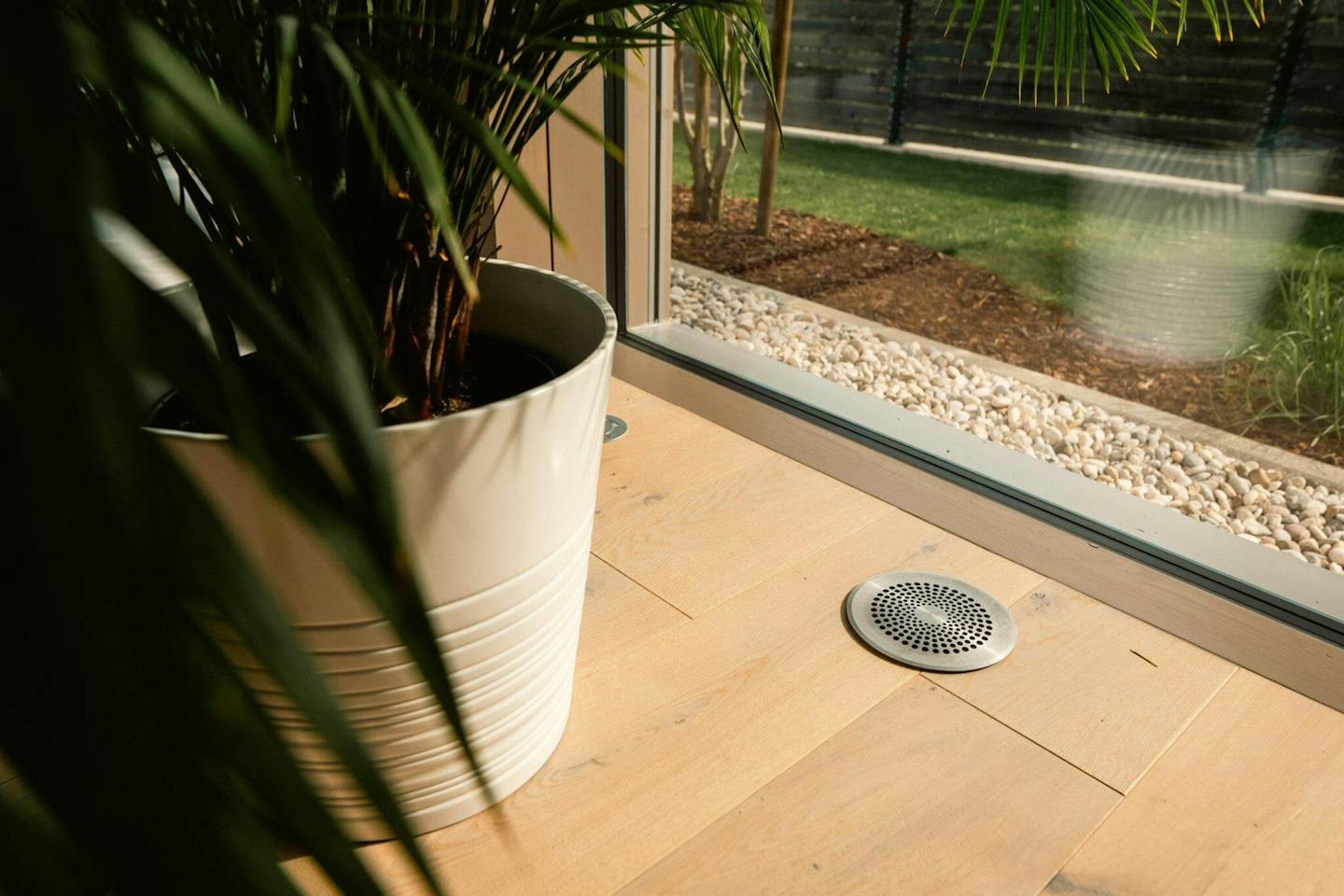
Controlled mechanical ventilation with heat recovery provides a planned exchange of indoor air. Outdoor air enters the house and is distributed through supply terminals, while extract air is removed from rooms where moisture and odours are generated.
Regular air exchange helps manage humidity and indoor air quality. During the heating season, the heat exchanger transfers part of the heat from extract air to incoming fresh air, limiting ventilation heat losses. The result depends on the unit, correct adjustment, maintenance and operating conditions.
Three Stages of Operation
Supply and filtration: incoming air passes through filters that retain some dust, pollen and other particles. Filtration depends on the filter used and how it is maintained.
Air distribution: supply terminals direct fresh air into rooms, while extraction provides a continuous, planned exchange. Air volumes are set according to room requirements and the ventilation design.
Heat recovery: the exchanger transfers some thermal energy from extract air to supply air. Heating the fresh air therefore requires less energy than an equivalent air exchange without heat recovery.
Comfort Through Appropriate Design
Heat recovery combines regular air exchange with lower ventilation heat losses. It helps manage moisture in bathrooms and kitchens and reduces the need to open windows. Quiet operation depends on correct sizing, settings and installation. Any summer cooling is planned alongside the home’s orientation, shading and other systems.